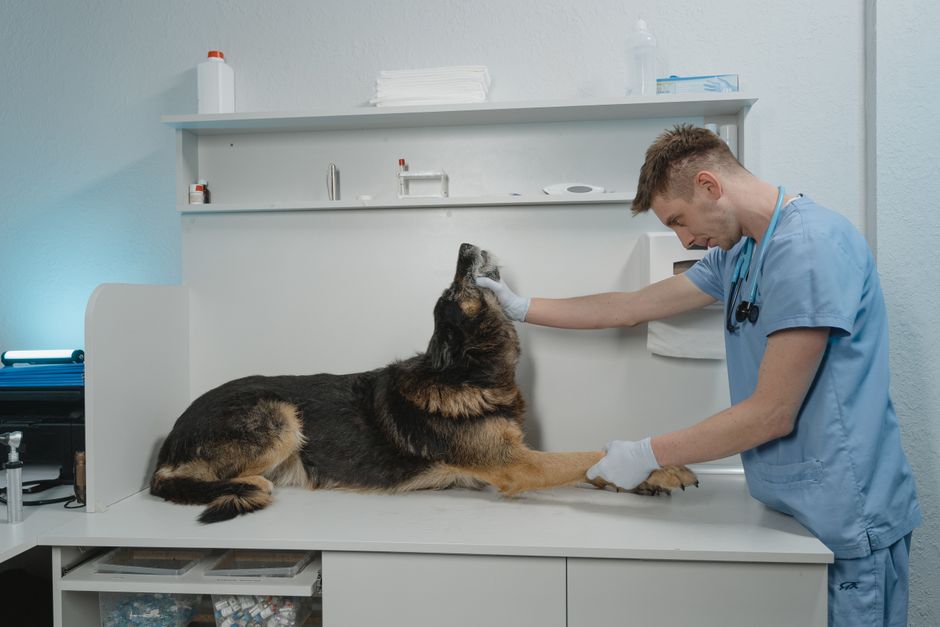
Start With a Clear Homepage: The Front Desk of Your Clinic
Your homepage is like the front desk of your veterinary clinic. It should instantly tell visitors who you are, what you do, and how to book an appointment. Keep it simple. Use a big, clear headline like “Caring for Your Pets in [City Name].” Add a button that says “Book an Appointment” right at the top.
Key things to include:
- Your clinic name, address, and phone number (NAP) – this is super important for local SEO
- A few pictures of happy pets and your team
- Links to your most popular services: checkups, vaccinations, surgery, dental care
- A short paragraph about what makes your clinic special
Don't clutter your homepage with too much text. Think of it as a friendly handshake, not a full conversation.

Create Service Pages That Answer Questions: The Exam Rooms
Each service you offer – like spaying, vaccinations, or dental cleaning – should have its own page. This is like having separate exam rooms for each type of visit. Why? Because when someone searches “cat spaying in [City],” they want to land on a page that talks all about cat spaying.
For each service page, follow this simple formula:
- Title: “Pet Spaying in [City] – Safe and Affordable”
- What it is: A short description in simple words
- Benefits: Why this is good for the pet and the owner
- What to expect: Step-by-step process
- FAQ: Answer common questions like “Is it painful?”
- Call to action: “Schedule an Appointment” button
This way, you answer exactly what the visitor is looking for, and Google sees your page as the best result. For more on how to structure these pages, check out our guide on local SEO for veterinary hospitals.

Organize With a Simple Menu and Links: The Hallways
Your website menu should be like a clear hallway with signs. Don't make visitors guess where to find what they need. Use very simple labels: Home, Services, About, Blog, Contact. Under Services, you can have a drop-down list of your main services. But keep it to 5–7 items max.
Internal links (links from one page to another) help visitors find related info and help Google understand your site. For example, on your vaccination page, you could link to your dog wellness check-up page. Avoid burying pages under too many clicks. A good rule is: any page should be reachable within 3 clicks from the homepage.
When you rename your image files with local keywords, like 'dog-vaccination-new-york.jpg', that also helps. You can use our Local SEO Image Renamer tool to do it quickly.

Frequently Asked Questions
Quick answers to structural technical gaps
How many pages should my vet clinic website have?
At least 5 to 10 pages. A homepage, an about page, a contact page, a services page (or separate pages for each service), and a blog. More pages can help you rank for more search terms.
Do I need a blog for my vet clinic to rank on Google?
Yes, a blog is a strong way to show you're an expert and to answer common questions pet owners search for. Write posts about topics like 'how to calm a dog during fireworks' or 'when to vaccinate your puppy'.
Should I include prices on my website?
Yes, if you can. Pet owners often search for pricing. Listing estimated prices builds trust and filters out calls that just ask for prices. If you can't list exact prices, offer a range or a 'starting at' price.
What's the most common mistake in vet clinic website architecture?
Having too many pages that are hard to find. For example, burying your services under multiple drop-down menus. Keep it simple: every main service should be one click from the homepage. Also, make sure your phone number is easy to find on mobile.
Keep Reading
Execute This Strategy Instantly
Run a free SEO scan right now to see how your current website architecture is performing and find easy fixes.
Launch Free Tool